
The dangers of light pollution
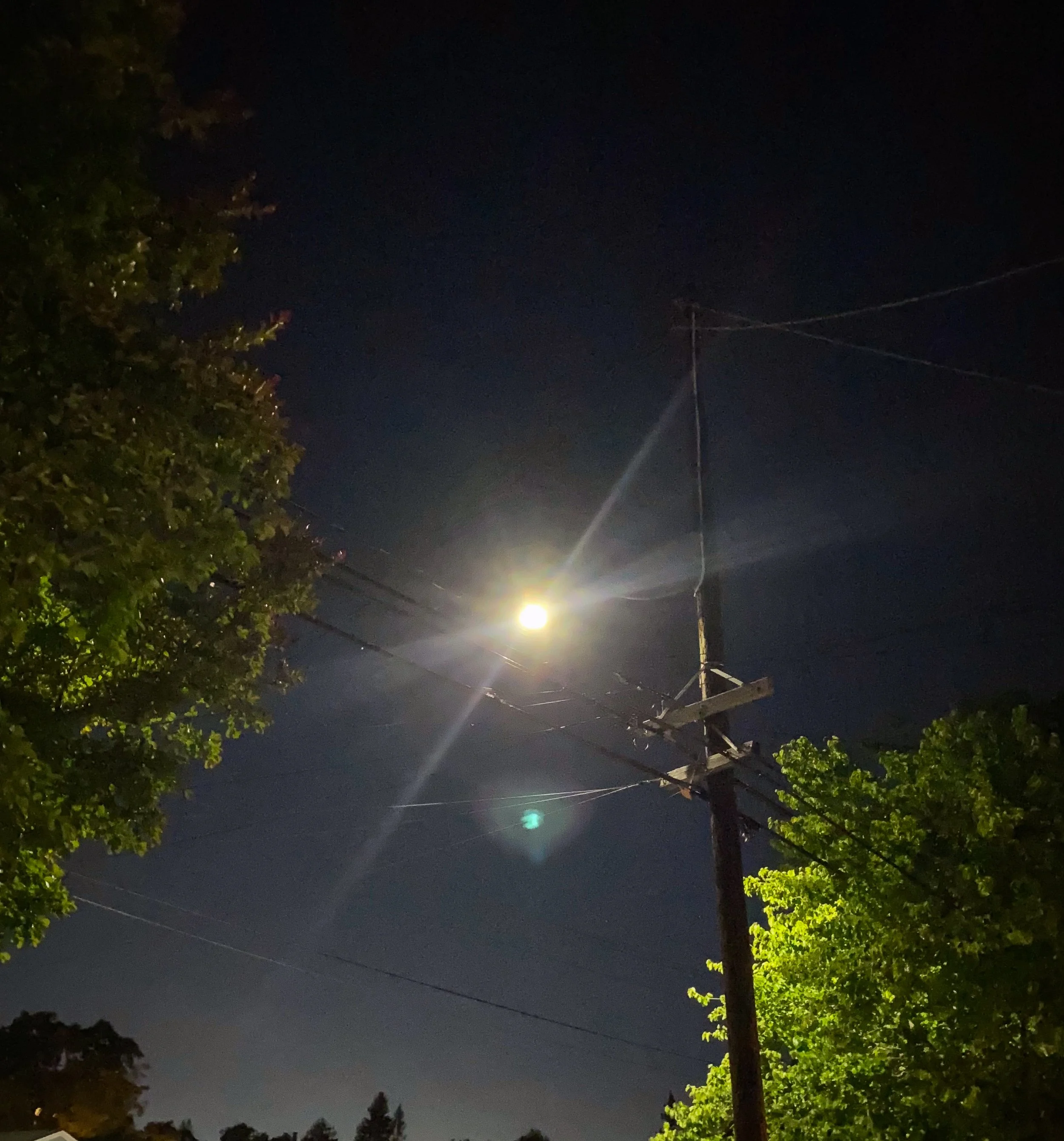
Photo of a street light blocking the night sky (Bella Guerrero / The Puma Prensa)
By Bella Guerrero, Staff Writer
Many people don’t realize it, but light pollution is a global issue that is incredibly prevalent, especially in highly populated areas. Countries with large populations have far more light pollution compared to areas with little to no people living there. For example, countries like Singapore, Qatar, and Kuwait have some of the highest levels of light pollution in the world, all having populations of over three million people. On the contrary, countries like South Sudan, Chad, and Madagascar all have very low light pollution due to their low populations. To measure the level of light pollution an area has, scientists use something called skyglow, which affects our ability to clearly see the stars in the night sky when it turns dark outside.
In an area with low skyglow, the stars are easily visible to the human eye, but with high skyglow, it makes it much harder to see stars and covers the sky in a hazy, bright gray or orange hue. If you grew up in a highly light polluted area, you might think it’s normal for the sky to be slightly bright during the nighttime hours, but that is not the case. When night falls, the sky should not be dark blue or even gray, it should be pitch black with clearly visible stars.
Not only does light pollution affect our ability to see stars clearly, it also affects the natural circadian rhythm of our bodies. The glow in the sky confuses our brains and causes our bodies to slow down melatonin production, the hormone that causes us to get sleepy. Low melatonin levels can lead to fatigue, headaches, stress, and numerous other health problems including cancer. The worst kind of light that can negatively impact your sleeping patterns is blue light. This refers to the light found in your phone, computer, tablet, TV, and most other electrical devices, and it is causing your brain to stop producing melatonin. It throws off your body's natural circadian rhythm and causes you to stay up later than you need to.
There are three different variations of light pollution: glare, clutter, and light trespass. Glare is unnecessary and excessive brightness of misdirected light, and can be seen in streetlights, highbeams, and other artificial light sources reflecting off of surfaces. Clutter is excessively bright groupings of light. Clutter can often be seen in urban areas, neon signs, and billboards, causing a visual “clutter” of light. And lastly, light trespass is when unwanted artificial light creeps into areas where it is not intended. For example, if your neighbor puts up new security lights and the light spills into your yard and disrupts your sleep, that would be light trespass.
While it may not seem as important as air and water pollution, light pollution is still pollution and it’s affecting us and our planet in more ways than we realize. We could reduce light pollution by shielding outdoor light fixtures and angling them downwards to reduce the amount of light scattered up into the sky, closing blinds and curtains to prevent indoor light from escaping into the sky, using LED lights to minimize illumination, and by reducing the amount of blue light we use at night. All of these simple solutions can help to decrease the amount of light pollution humans cause to the planet.