
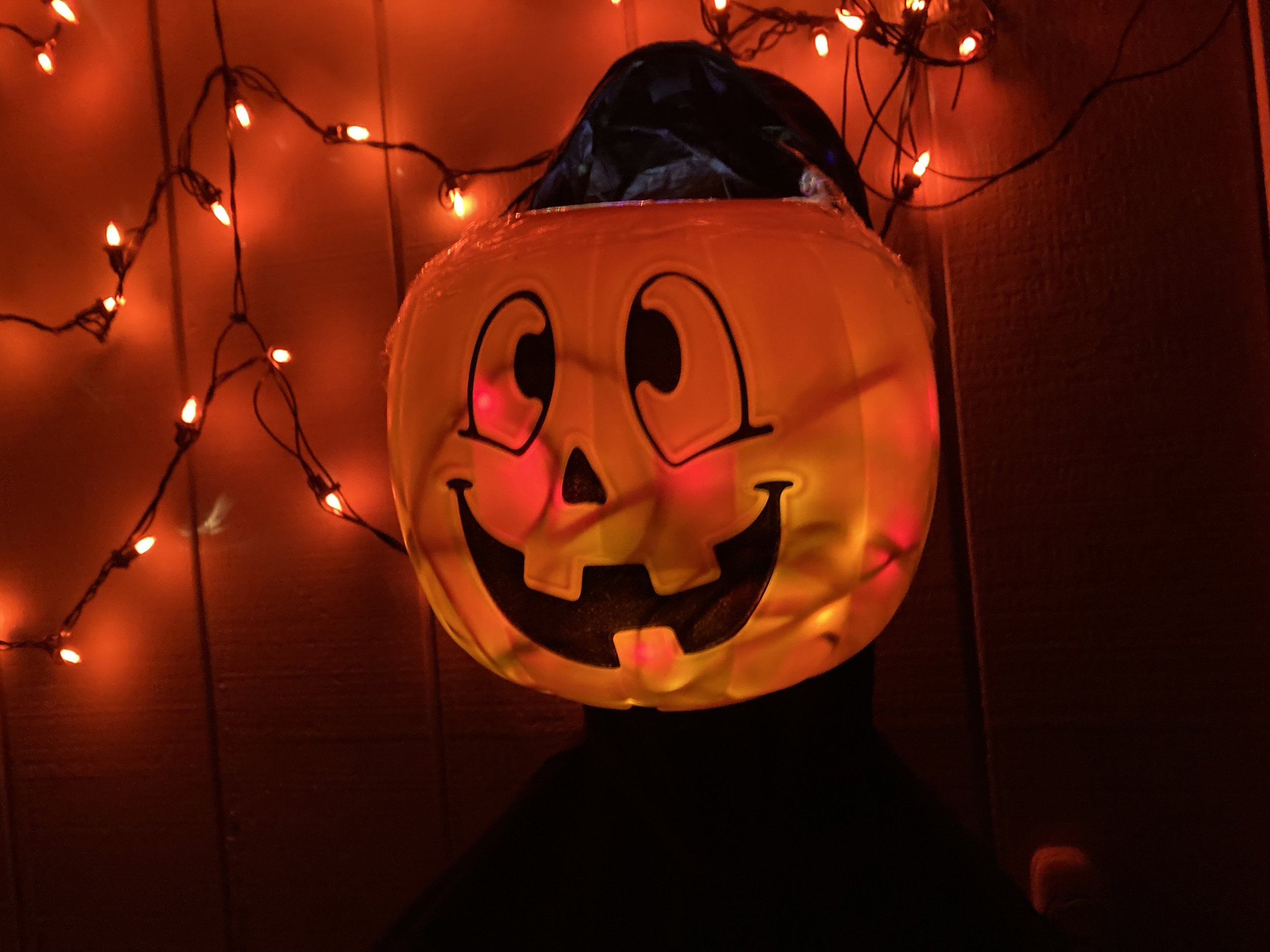
Decorations left in front of a house from someone trying to keep the spirit of Halloween alive (Aiden Damasco / The Puma Prensa)
By Aiden Damasco, Web Developer & Features Editor
Friedrich Nietzsche once said “God is dead.” While the validity of his statement can be debated, the truth is that trick-or-treating is.
Trick-or-treating has been a staple of Halloween since the end of WWII, where the ending of wartime sugar rationing led to an extreme popularity boom of the candy industry. Artists, such as Santa Rosa’s very own Charles Schultz, who included trick-or-treating in a Peanuts comic strip in 1951, displayed this Halloween tradition in comics, advertisements, and TV programs as the years progressed.
But, in 2026, the magic of trick-or-treating, and trick-or-treating as a whole, has largely disappeared. The newer generation of parents has become concerned with children’s safety on Halloween night due to dark streets, a lack of safety and precautions, and the fear of possible bad actors.
These concerns have led to the rise of trunk-or-treating, which many parents deem safer than traditional trick-or-treating. Usually held in parking lots, people hand children candy from the backs of their cars (hence the name “trunk”), with the parents of the children accompanying their children or watching from a distance. Rather than taking hours of walking around multiple neighborhoods, most children who attend trunk-or-treating can receive all of the candy they please within an hour.
In fact, the Santa Rosa Police Department is holding their own trunk-or-treat on October 29. But holding events like trunk-or-treat on days other than Halloween takes away from the actual Halloween festivities; children will have already received their candy and won’t spend the day of Halloween itself in their costumes or trick-or-treating.
With more children attending trunk-or-treating, even fewer children walk around on Halloween night and ask people for candy. And with fewer children coming each year, parents who wait for trick-or-treaters do less each Halloween—like putting up less decorations or not handing out candy at all—creating a cycle of trick-or-treating declining.
As Gen Z grows up and begins their journey into parenthood, one can only hope that they bring back the magic of trick-or-treating that they themselves have felt. Allowing a holiday’s core theme to fade away does a disservice to both current generations and those of the future.