
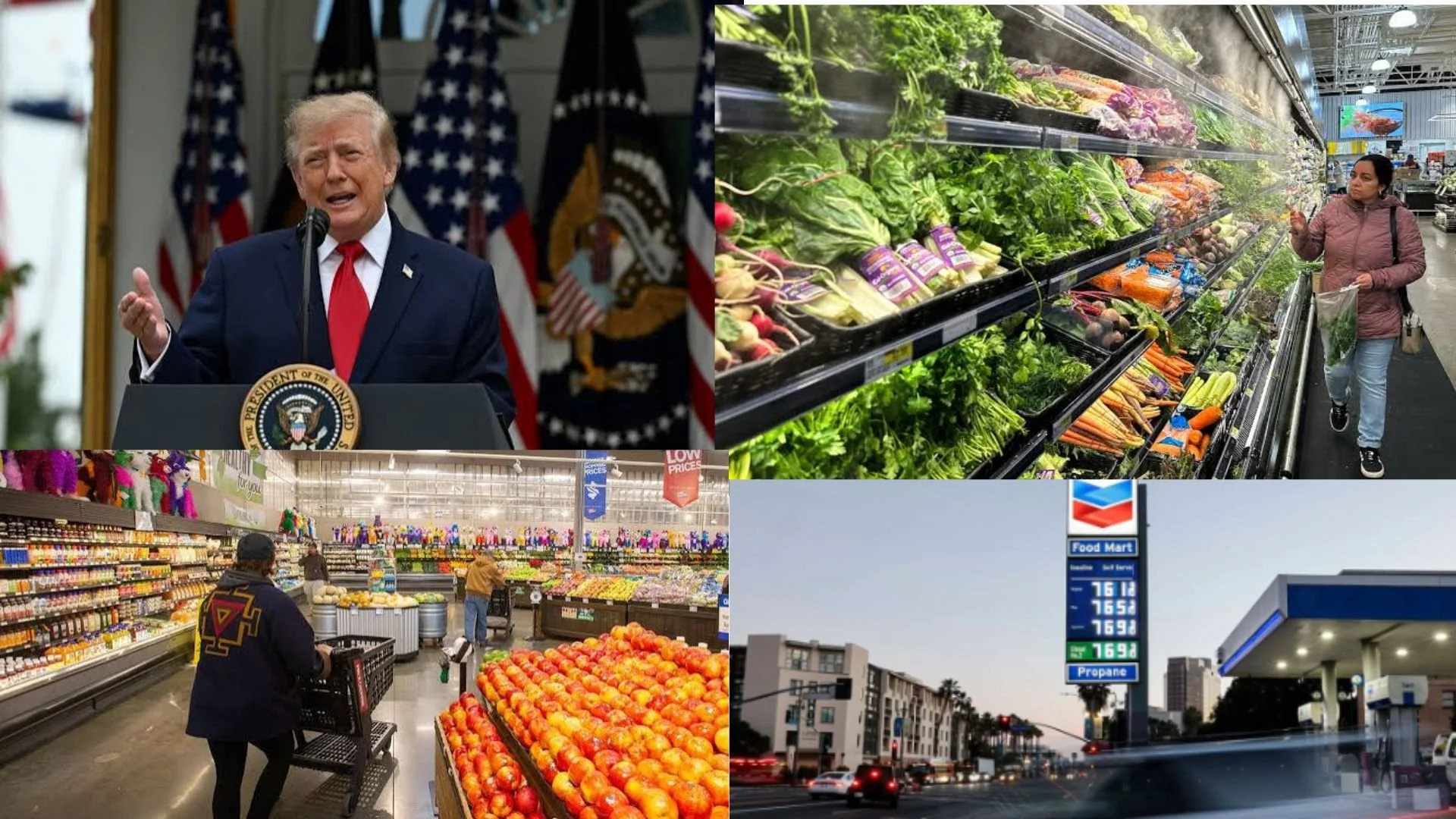
U.S. families being affected by inflation (Onario Rose / The Puma Prensa)
By Onario Rose, Staff Writer
For millions of Americans, paying for groceries, filling up a car with gas, and affording housing have become major financial concerns. As the high cost of everyday necessities continues to put pressure on household budgets, economic policies coming out of Washington, D.C. are receiving increased attention. With the 2026 midterm elections approaching, affordability has become a major issue for voters deciding which leaders they want representing them.
According to a Pew Research Center survey published October 8, 2026, 73% of Americans are very concerned about the prices of food and consumer goods, while 74% are very concerned about the cost of gasoline and energy. The survey included 5,062 U.S. adults and was conducted from September 28 through October 4. These findings highlight how rising living expenses continue to affect Americans across the country.
Although the government does not directly determine the price of every item in a grocery store or gas station, decisions made by the president and Congress can influence the economy and the costs businesses face. Policies involving taxes, trade, energy, and government spending can affect how much companies pay to produce and transport goods, which can ultimately influence the prices consumers pay.
One example is tariffs, which are taxes on certain goods imported from other countries. The Trump administration has used tariffs as part of its international trade policies. Supporters argue that tariffs can protect American industries and encourage domestic manufacturing. However, when businesses pay more for imported materials or products, they may raise prices to cover those additional expenses, passing some of the costs on to consumers. A Pew Research Center survey published October 8 found that 56% of Americans believe the Trump administration’s policies will have mostly negative effects on the country in the coming years, while 20% expect mostly positive effects.
Food is one of the most essential household expenses, yet even small price increases can make a significant difference for families trying to stay within a budget. When grocery prices rise, families may have to spend more money on the same products or change what they buy. For example, a family that regularly purchases milk, bread, eggs, meat, fruits, and vegetables may find that its usual grocery trip costs considerably more than it did in previous years. Even when the price of one product decreases, increases in other items can still leave families with a higher total bill.
Political decisions can influence food prices in several ways. Trade policies may increase the cost of imported food and agricultural supplies, while energy policies can affect the expenses associated with farming, manufacturing, and transportation. Government programs and agricultural policies can also influence farmers and food producers. However, politics is not the only factor behind changing grocery prices. Weather conditions, labor expenses, transportation costs, supply shortages, and consumer demand also play important roles. Policymakers must consider these different factors when developing solutions that help consumers without creating additional challenges for businesses.
Energy prices are another major concern because they affect much more than what people pay at the gas station. Gasoline is essential for people commuting to work, taking their children to school, and traveling to other destinations. Electricity and natural gas are equally important for lighting homes, heating buildings, and operating everyday appliances. When fuel prices increase, drivers must spend more to get where they need to go. Businesses that rely on trucks and other vehicles may also face higher transportation costs and pass some of those expenses on to customers.
Government decisions involving energy production, taxes, and international relations can influence fuel and electricity prices, but global oil supplies, conflicts, and changes in demand also contribute to price fluctuations. The Pew Research Center survey found that 74% of Americans were very concerned about energy costs. Housing is another major source of financial pressure, with 66% of Americans expressing concern about its cost. Mortgage rates, rent prices, and the availability of homes all influence how much families spend on housing. Higher borrowing costs can also make homeownership more difficult for people who need a mortgage.
Inflation adds another challenge to household budgets. Even when inflation slows, prices generally do not return to their previous levels. Instead, prices may continue rising at a slower rate. When the cost of groceries, housing, and transportation increases faster than people's paychecks, families can struggle to afford basic necessities. Government policies involving taxes, wages, and spending can influence economic conditions, while decisions made by the Federal Reserve affect interest rates and borrowing costs.
With the November 2026 midterm elections approaching, the cost of living could play an important role in how Americans vote. A Reuters/Ipsos poll reportedly found that 78% of surveyed Americans blamed President Donald Trump’s policies for rising living costs. However, this figure reflects public opinion rather than proving that his policies caused every price increase. Global events, supply and demand, labor costs, and other economic conditions can also affect the prices consumers face.
Republicans and Democrats have different approaches to addressing affordability. Some support lowering taxes and reducing regulations to encourage business growth and economic activity, while others favor government assistance and greater investment in housing and energy. As the elections approach, voters will have to consider which policies they believe will provide meaningful relief for American families. Although political leaders cannot control every price, their decisions can influence economic conditions and determine how much money households have left after paying their bills.
Ultimately, the rising cost of living is more than an economic issue; it affects the daily lives of millions of Americans. From buying groceries to paying rent and filling up a gas tank, families depend on being able to afford the necessities they need. As voters prepare for the 2026 midterm elections, the choices made by political leaders will remain an important part of the national debate over affordability, economic stability, and the financial future of American households.