
The conflict in the Middle East is continuing to expand
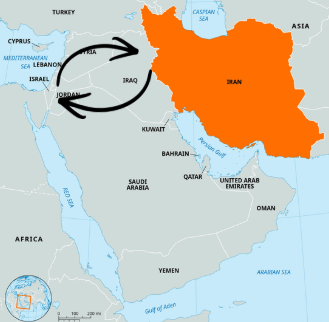
A map of the middle east showing Iran and Israel (Hugh Cochrane / The Puma Prensa)
By Hugh Cochrane, staff writer
The words “Iran is very close to developing a nuclear weapon” have echoed in the mouth of Israel Prime Minister Benjamin Netanyahu for decades, dating back all the way to 1992.
This has been a massive highlight of his administration, and he has been consistently saying this since before he even gained power in 1996. But how true is this statement?
Iran’s nuclear program is possibly the most scrutinized in the world, with leaders consistently warning about them gaining nuclear capability. Even with the claims made against them, Iran has consistently asserted that their nuclear programs are simply for civilian usage, providing electricity to its people.
But how true is this?
The CIA has stated numerous times that Iran is not currently developing a nuclear weapon, but they do possess high amounts of enriched uranium, and did have nuclear enrichment facilities. As of 2025 though, most of them were destroyed in strikes carried out by the United States and Israel in Operation Midnight Hammer. These strikes were done illegally without approval from Congress, but luckily killed no one.
And now today Trump is back to striking Iran, once again without congressional approval, but this time it’s different. Last year the strikes were on military targets, whereas today they are focused on civilian infrastructure and the oil fields.
Another huge difference is the casualties; last year no injuries or deaths were reported.
However, as of mid-April of this year, over 3,400 people have died, 1700 of which have been civilians and at least 250 of those being children.
Oil fields bombed, houses blown, schools destroyed, all without congressional approval; how is this legal and what is currently happening with it?
It all started with targeted strikes starting Feb. 28, which were joint with Israel, and the almost immediate killing of the former supreme leader of Iran Ali Khamenei and several military officers. This temporarily weakened the leadership of Iran but Mojtaba Khamenei's son took over quickly after.
Under Mojtaba, Iran has begun the process of striking targets within Israel and US military bases. Many of these strikes have proven unsuccessful with the Iron Dome defense system provided to Israel by the United States. The casualties have been limited and have caused minor damage to mostly civilian infrastructure.
Then Iran struck the United States where it hurts the most: oil.
Immediately after Iran was first struck they began the process of shutting down the strait of Hormuz. Before the attacks about 25% of the world’s oil passed through the strait, and before Feb. 28 the average gas prices in California were about $4.70/gallon, compared to the United States' average of about $3.00/gallon.
Today the average price of gas in the United States is $4.50, and in California the average is
6.15 dollars per gallon, with some places in California having prices of upwards of 7 dollars per gallon.
This sparked outcry across the nation especially because Trump claimed many times over the course of his campaign that he would lower prices across the board. This has led to many people turning against him across the country.
With no end in sight to this war and Trump scrambling to regain approval, he’s stuck. Iran wants peace talks but Trump keeps rejecting them, continuing the war until Iran ends it on his terms.
Thousands of people have died and many more will die unless the conflict in the Middle East is ended as soon as possible.