
The holiday blues
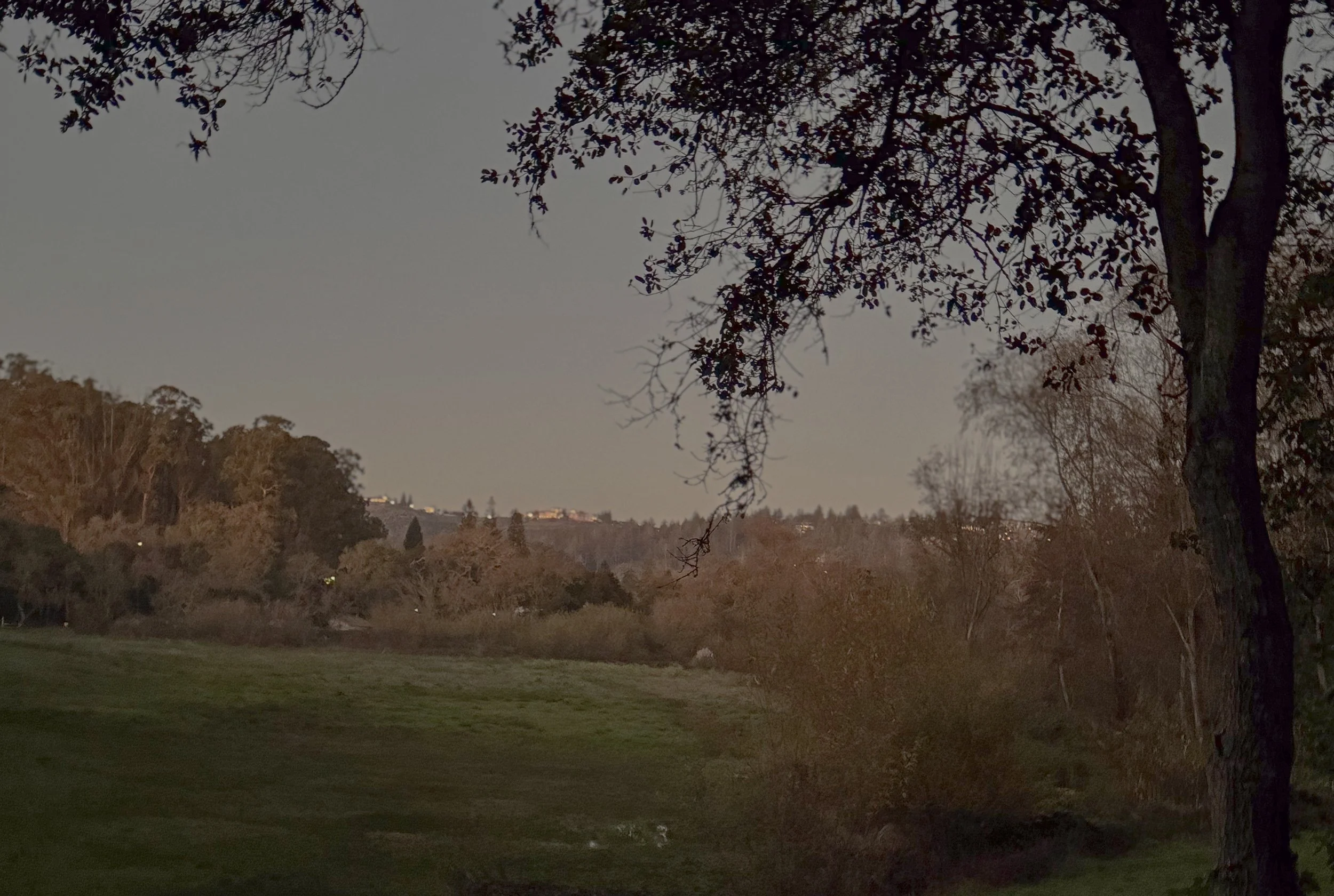
Picture of Chanate road (Miguel Ramirez / The Puma Prensa)
By Miguel Ramirez, Staff Writer
The holiday blues are a relatively new phenomenon, only being around since the 1980s. There has even been a disorder discovered due to this phenomenon called S.A.D., or seasonal affective disorder. S.A.D., often called winter blues or seasonal depression, usually includes symptoms like low energy, oversleeping, changes in appetite, and an overall low mood.
The holiday blues typically make Major Depressive Disorder–often shortened to depression– worse, as it acts as a confirmation bias to those who already feel depressed. According to Pfizer, “around 10% of people” experience similar depressive feelings around the holidays.
S.A.D. is most common in the northern United States. For example, in a report by the Institute of Mental Health, “people in Alaska or New England [were] more likely to develop SAD than people in Texas or Florida,” and it is also more common in people “with depression or bipolar disorder.” Due to this, people further north suffer the effects more harshly.
Scientifically, S.A.D. has been proven to align with the shorter days urging the body to produce more melatonin. Normally, this wouldn't affect humans who don't live in an urban environment, but now this overproduction of melatonin is often counterproductive. The abundance of melatonin leads to oversleeping and overall fatigue. In addition, these shorter days lead to a deficiency of vitamin D, which is linked to the production of serotonin: the chemical in the brain that helps regulate mood, sleep, appetite, and gut function. This leads to the body being thrown off of its daily functions. With this dysregulation comes the previously mentioned symptoms of oversleeping, fatigue, changes in appetite and other symptoms. Many other symptoms of the holiday blues are a domino effect stemming from the initial over and underproduction of melatonin and serotonin, such as decreased energy, disinterest in hobbies, difficulty concentrating, feelings of guilt, and irritability being a result of excess melatonin and/or its consequences in everyday life.
Another cause of this seasonal depression is more personal. With the holidays comes family gatherings and the realization of one's own failed expectations. These failed expectations may come in many forms, whether it be social, financial, and physical. Failed social expectations like be failing to find a significant other. Failed financial expectations might be not making a certain amount of money; and physical dysmorphia such as not achieving a certain goal like lifting a certain weight can make anxiety and depression around the holidays worse.
As stated by Salt River Therapy, the “holidays can be stressful, messy, and full of unmet expectations,” and we often “[imagine] perfect family gatherings [and] magical moments.” This creation of unrealistic expectations sets us up for failure. The holidays heighten our expectations as the New Year approaches, especially when we look back on our lives and feel disappointed that we have not achieved our goals. In addition, the holidays create stress for many families, including financial strain, familial conflict, and grief. For many individuals, the holidays are costly with the amount of presents, food, and gatherings adding up to financial strain. Oftentimes, this makes the stress of the holidays increase ten fold, leading to an overall overwhelmed household as parents can make the “holidays…feel like an insurmountable burden, exacerbating feelings of inadequacy and stress” (Salt River Therapy).
Furthermore, the holidays bring old grudges and familial conflicts to light as the social expectations of family gatherings and the strain from holiday troubles blend together to make a spoiled season. Lastly, there is the recollection of loss during the holiday season, as for many people, they are reminded of their whole year in retrospect. They remember what they have lost, whether it be friends, relationships, or family members that have passed. Yet, contradictory to this is the expectation of "jollyness" and the “holiday spirit,” which at best makes people who are already grieving more agitated, or at worst, is salt in the wound of those who are grieving as they are forced to participate in holiday activities and appear joyful.
This leads many into two states: one, a state of hibernation and depression, and two, a state of helplessness and cries for help. The question of how one can help themselves arises, and there are many methods to support oneself if struggling with seasonal depression. The National Alliance of Mental Illness recommends “[sticking] to normal routines as much as possible.” The body being thrown off track, as previously stated, is one the roots of the holiday blues, so trying to maintain a consistent schedule of “[getting] enough sleep]...[and eating] and [drinking] in moderation” can help regulate the production of melatonin and serotonin. On a social aspect, they recommend to “take time to yourself” without “isolating yourself,” because while being around large groups of people might increase stress, being isolated can bring the same amount of stress, if not more. Finally, they recommend setting realistic expectations – be it shopping, cooking, or attending parties – because the holidays shouldn't just be about looks; it should be about spending time with those you love, not out of obligation, but because you care for them and appreciate them for who they are.
Although the holidays can feel harsh and very tiresome, don't feel obligated to perfectly fit into the mold that the holidays attempt to put you in, because you'll end up even more tired and exhausted. So take care of yourself and enjoy time with the people you love. Don't worry about appearances and expectations because the holidays are about community whether its family or friends not about being the most perfect.