
Mental health resources at MCHS
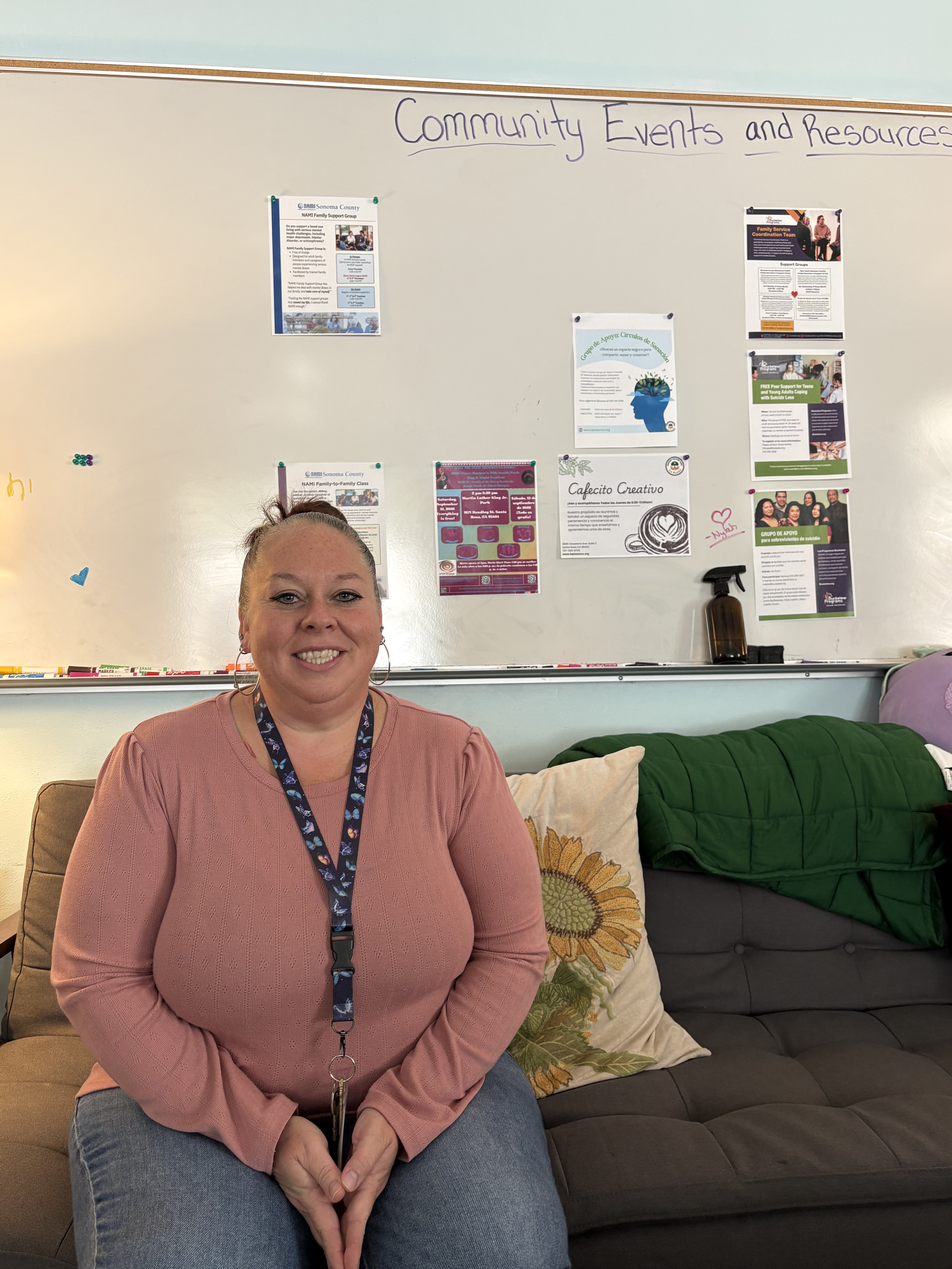
Vanessa Jellison, Wellness Coach, posing in front of the Community Event and Resources Board in the Wellness Center. Sept. 18 2026 (Caeden Chee / The Puma Prensa)
By Caeden Chee, Staff Writer
National Suicide Prevention Week fell on the week of Sept. 6 to 12th, and with it, diverts and brings awareness to suicide and the importance of mental health.
Suicide is the third highest leading cause of death after accidents and homicides, which are majorly dominated by firearm-related violence, constituting 15 percent of youth deaths.
California has a youth suicide rate (ranging from ages 10 to 24) of six people out of 100,000. Sonoma County averages a rate of 6.4 per 100,000, but it reaches a high of 10.3 if solely using the upper 95 percent confidence limit of reliable data, according to the California Department of Public Health (CDPH). This is a concerning number in a small county like ours.
Following the data, around premature death numbers in Santa Rosa, suicide reinforces its serious position within our society, making up at least 7.7 percent of total youth deaths and even seeing a rise over the last few years.
So what are our schools doing to help prevent the future rise in suicide rates?
Maria Carrillo High School currently serves over 1500 students, many of whom utilize the campus' counseling and mental support services.
Vanessa Jellison, MCHS’s Wellness Coach, says that there has been an influx of the number of students utilizing the Wellness Center. She suspects that this may be due to the new changes in circumstances that students from middle school are witnessing in high school as well as the newfound stress of education after summer break.
The Wellness Center offers a variety of mental health services, varying from dealing with relationship breakups, academic stress, and classroom education on substance use while also focusing on regulating emotions and developing healthy coping mechanisms.
Along with that, the center has ties to inclusive agencies that provide support for youth around the community in town like TLC Child and Family Services, the Child Parent Institute (CPI), and Keystone, our current therapy providers. Jellison also emphasizes that the Wellness Center also tries to promote community services and organizations that tackle issues of inclusivity and struggles with sexual orientation, creating a safe space for queer students to share their experiences of being in the LGBTQIA+ society.
The Wellness Center also partners with the County of Sonoma’s behavioural health team, who are on campus twice a week, helping with referrals for students who may need more mental health support.
Jellison also spoke about getting a student to open up to be the hardest part in providing support. “They’re holding things in, and you know they’re holding things in, and you have to build a rapport with them.”
You can find vital health supplies like Narcan, fentanyl test strips, condoms, and other sexual education items, which are provided without charge.
Another factor in difficulties seen is the lack of time that they have with students. A usual 15-minute break or 30-minute lunch isn’t fully enough to understand the complexities of what a student is going through. Combined with the fact that students may want to eat or socialize with others, this leaves virtually very little time for needed support.
Combined together, these factors about the lack of time and unwillingness to open up may contribute to the number of youth suicides within the county, as students aren’t getting the support they desperantly need. The faculties which provide these services are not able to give sufficient assistance.
Nonetheless, Jellison hopes that students who need the extra support will utilize the Wellness Center in the future.
“If we can teach them something, to take back to the class and utilize it the next time, then we’ve done our job.”